Prof. Maria Pina Limongelli
Italy
Human-Centered Crowdsensing for Bridge Health Monitoring
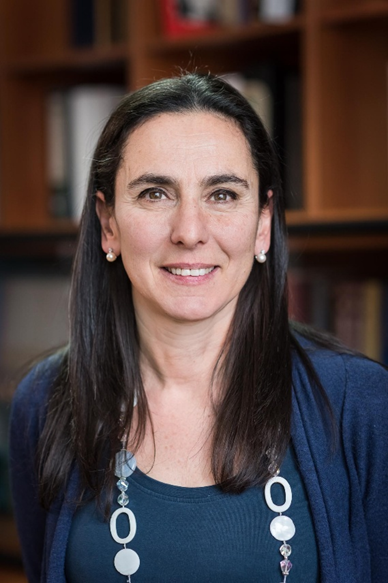
Prof. Maria Pina Limongelli holds a PhD in Seismic Engineering from Politecnico di Milano, where she is currently Associate Professor of Structural and Seismic Engineering. Her research focuses on Structural Health Monitoring (SHM) of civil infrastructure, with particular emphasis on vibration-based and remote sensing techniques, value of information analysis, and the standardization of SHM practices. Prof. Limongelli holds prominent positions in several professional committees and associations in the fields of SHM and structural engineering. She serves as Vice President of both the International Association for Bridge and Structural Engineering (IABSE) and the Society for Civil Structural Health Monitoring (SCSHM), and acts as a reporter for the Joint Committee on Structural Safety (JCSS). She also chairs the Data-Enhanced Infrastructure Management Committee within SCSHM. She is a member of the editorial boards of several leading international peer-reviewed journals, including Structural Health Monitoring, Journal of Civil Structural Health Monitoring, Engineering Structures, and Bulletin of Earthquake Engineering. Prof. Limongelli coordinates and contributes to numerous national and international research projects focused on SHM, bridge resilience, and the digitalization of bridge integrity management.
Prof. Tadeusz Uhl
Poland
Space Technology for Infrastructure Monitoring
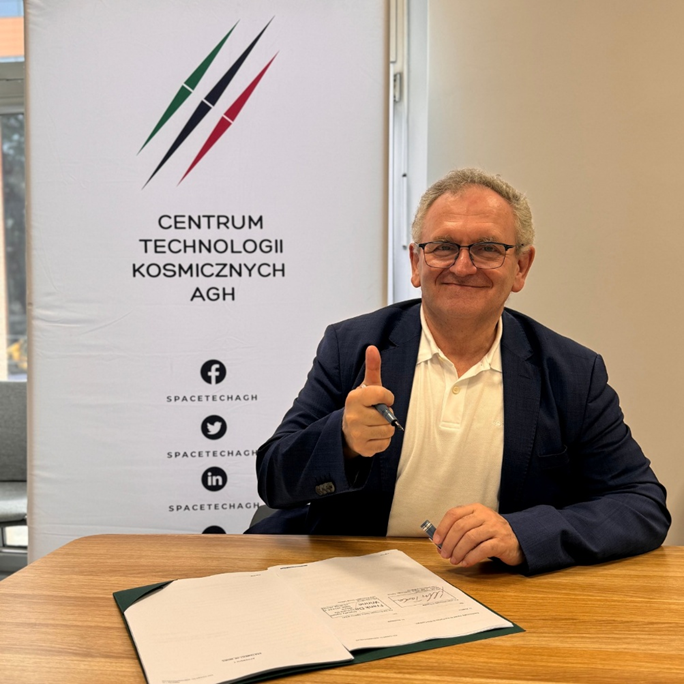
Prof. Uhl received his PhD in Mechanical Engineering in 1983 from the AGH University of Science and Technology in Kraków, where he also obtained his DSc (habilitation) in 1990. He was awarded the title of Full Professor of Technical Sciences in 1997. He currently serves as Dean of the Faculty of Space Technology at AGH, a faculty he initiated in 2025. Prof. Uhl has a background in structural dynamics, mechatronics, and diagnostics. His research and consultancy work has focused on smart structures, experimental modal analysis, structural health monitoring, robotics, and aerospace technologies. He is a founder of interdisciplinary, project-based education in mechatronics and a key architect of international cooperation frameworks in engineering education and research.
Prof. Theodoros Karavasilis
Greece
Revised Stiffener Spacing Requirements for Seismic Links in Eccentrically Braced Frames – Research Background and Implementation in the New Eurocode 8
Full Professor of Steel Structures in the Department of Civil Engineering of the University of Patras and Owner of a Structural Engineering firm with offices in central Athens. Prior to joining the University of Patras, he held academic appointments at Lehigh University (Post-Doctoral Researcher), University of Oxford (Lecturer), University of Warwick (Associate Professor), and University of Southampton (Chair in Structures and Structural Mechanics). His research on seismic-resistant steel structures has been implemented in the forthcoming version of Eurocode 8. He is fully active in academic administration (served as Director of the Structural Division at the University of Patras for more than 4 yrs), research publishing (more than 60 journal papers), management of research grants (more than 4 million euros from EU and China), teaching (2 undergraduate and 1 MSc courses on steel structures, author of 2 books on design of steel structures according to Eurocode 3), and support in design standards evolution (EC8, Greek Seismic Code for retrofitting of existing reinforced concrete buildings).
USA
Resilient Rocking Timber Structures: Development, Seismic Performance, and Practical Applications
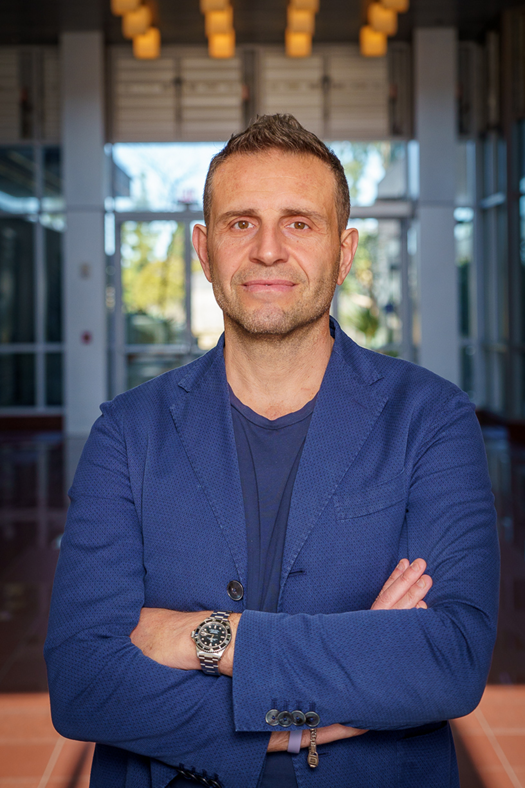
Prof. Alessandro Palermo is a Full Professor at the Structural Engineering Department, University of California, San Diego since July 2023. Prior to this appointment Prof. Palermo has been a Faculty at the University of Canterbury, New Zealand. He is the third academic appointed with tenure from this institution. Alessandro’s core research areas are on structural bridge engineering and timber/precast concrete buildings. He is a renowned researcher in the field seismic low-damage technologies and he has been exposed to several New Zealand post-earthquake reconnaissance missions in the last decade. His recent research also includes material aging, use of durable materials (glass reinforcing and ultra-high performance concrete) and recycled materials (rubberised concrete), tessellated materials (auxetic) and digital fabrication (3D concrete printing). Alessandro is author of more than 400 international conference / journal papers and 3 patents including the PRES-LAM technology. He is one of the top 2% most cited researchers in SCOPUS since 2020. He has been awarded several national and international awards including the 2020 ASCE Alfred Noble Prize for a co-authored technical paper, the 2021 IABSE best technical paper and more recently the 2021 “Most Influential International Accelerated Bridge Construction Person of the Year Outside U.S.” in Academia. In 2013, jointly with other two faculty he received the University of Canterbury Innovation Medal for his pioneering work on low-damage post-tensioned timber buildings. He is Fellow of Several Association including IABSE. Alessandro is a very passionate teacher. He received 5 awards (8 nominations in row) from the University of Canterbury Student Association (UCSA), being voted by the students Best Lecturer of the Year at the University of Canterbury (more than 850 staff) in 2016 and 2019. In 2019 he has been the only lecturer of engineering being recipient of the University of Canterbury Teaching Award.
CEO and Co-Founder of Sensequake – world leader in data-driven structural analysis and health monitoring technologies
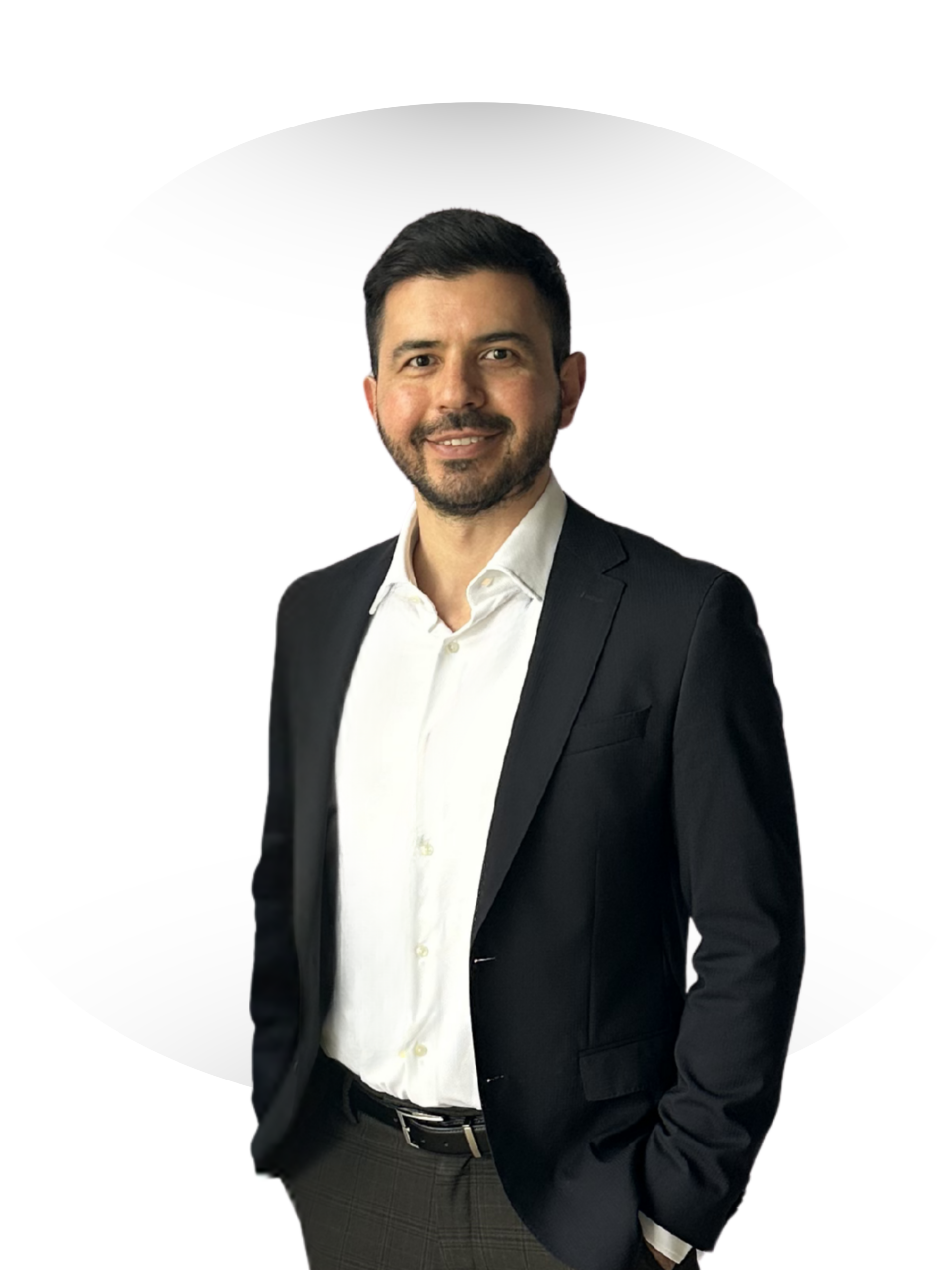
Farshad Mirshafiei is the CEO and co-founder of Sensequake, a world leading company in structural health monitoring technologies. He holds a Ph.D. in Structural Engineering from McGill University, where he conducted pioneering research in vibration-based assessment techniques. Farshad is a recognized thought leader in ambient vibration testing, modal analysis, and vibration-based damage detection.
He holds a patent and has authored over 25 international journal and conference papers. Under his leadership, Sensequake technologies have been deployed on landmark structures across the globe — including Canada’s Parliament Buildings, the New Champlain Bridge, the Port of Long Beach in California, NASA infrastructure,and major airports and stadiums in Saudi Arabia.